Your seed phrase is the most important part of your crypto wallet. It's the equivalent of a master key, giving full access to everything your wallet holds across all blockchains and addresses.
Once your seed phrase is compromised, there is no undo button. No reset switch. No revoking. Just complete access to your crypto for the attacker. This article will outline how seed phrase compromise happens, how to recognize it, and what to do if you are affected.
How Do You Know Your Seed Phrase Is Compromised?
A compromised seed phrase gives an attacker full control over your wallet. There are three warning signs that your seed phrase has been compromised:
Tokens start disappearing across multiple chains
Your wallet is drained within seconds of receiving funds
Multiple addresses connected to the same seed phrase or device are affected
If any of these are happening, you need to act immediately.
How Does It Happen?
Many users don't realize how easy it is to accidentally expose their seed phrase. These are the most common causes:
Fake Software Downloads
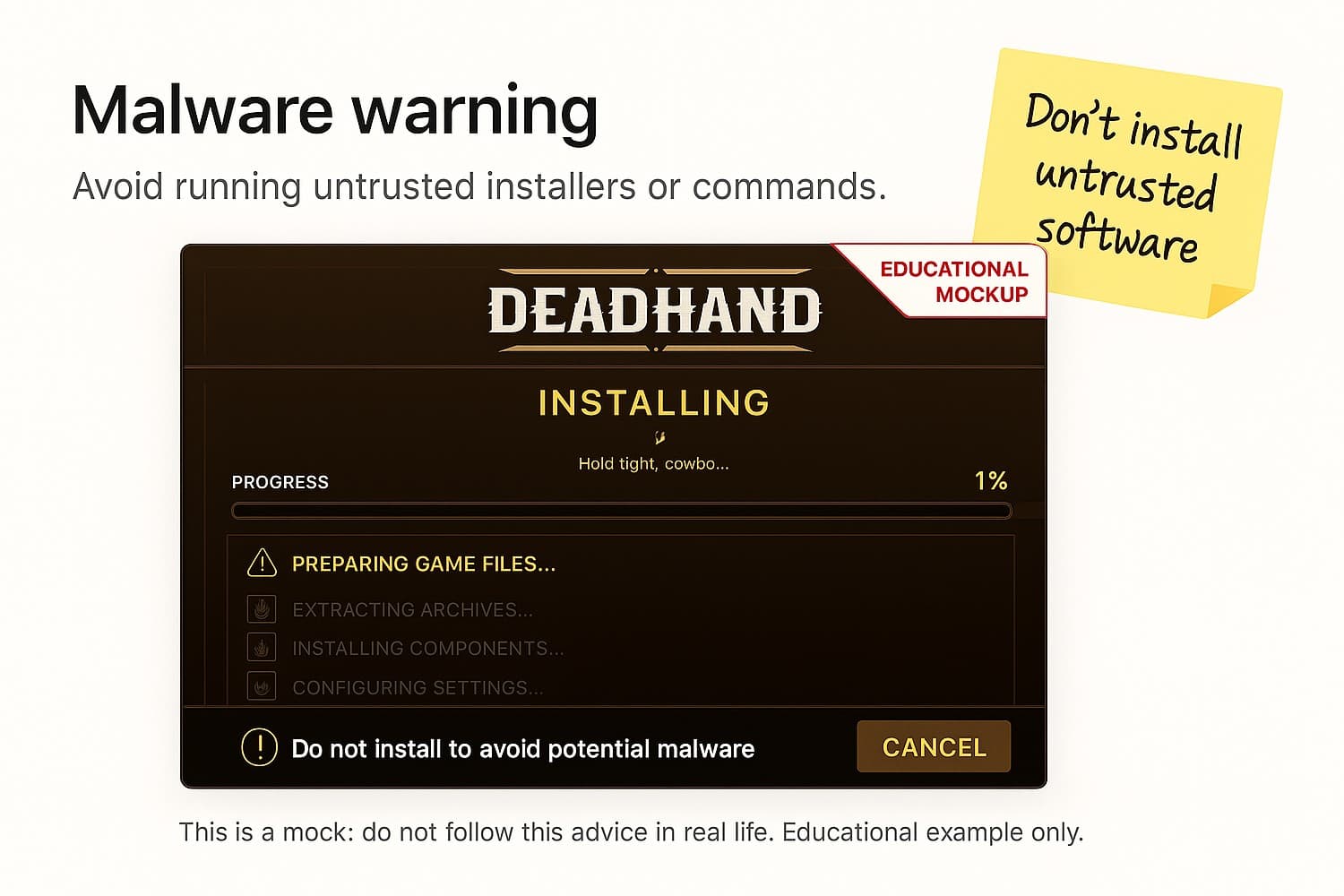
Attackers create convincing-looking applications like game launchers, conferencing tools, or productivity apps that secretly install malware on your device. Once installed, the malware scans your system for wallet data and seed phrases stored in browser extensions, local files or clipboard history.
Phishing Websites
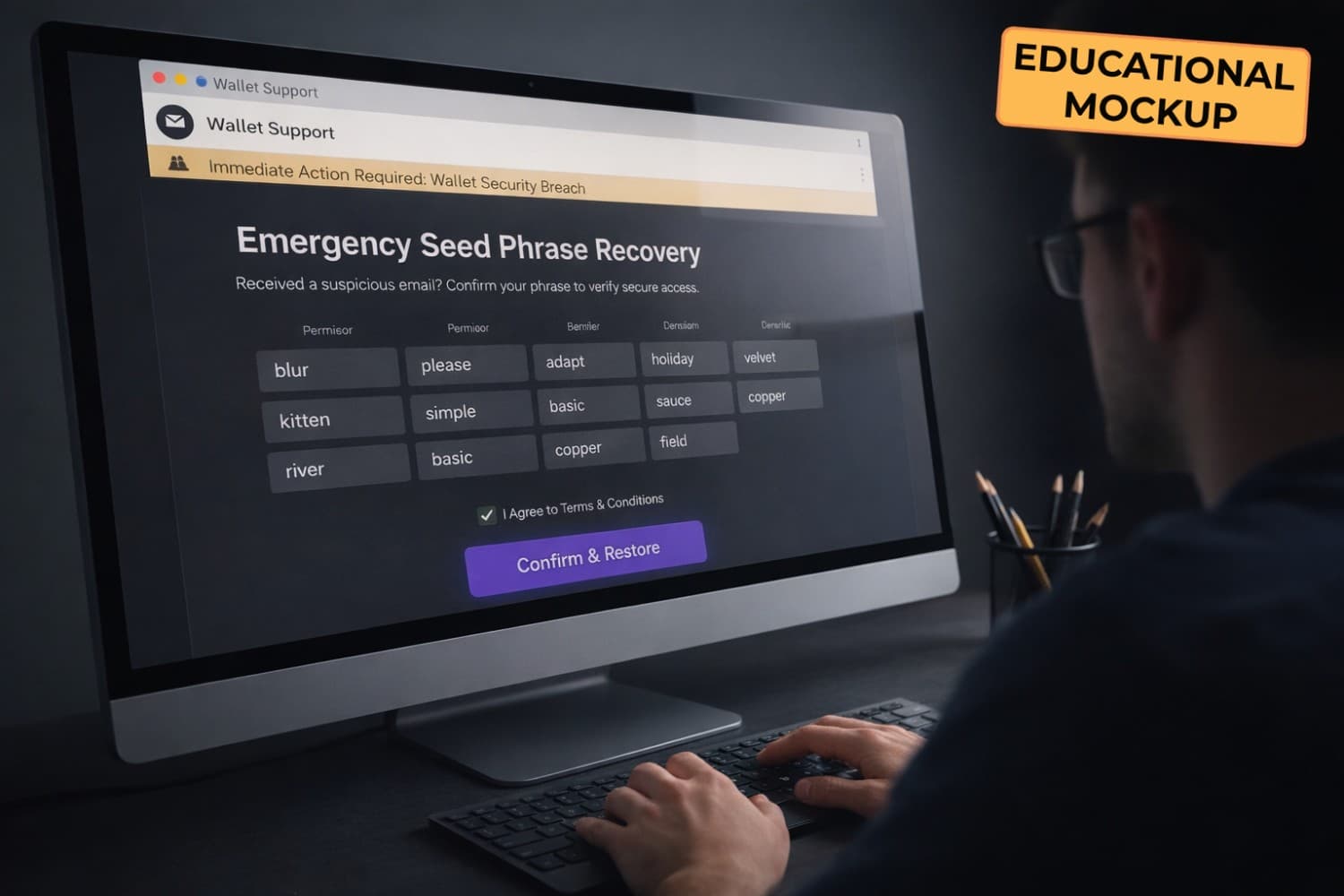
Fake websites impersonate legitimate wallet providers or dApps, asking you to enter your seed phrase into a "wallet verification" or "restore wallet" form. No real service will ever ask for your seed phrase - if a site requests it, it's a scam.
Cloud Storage Backups
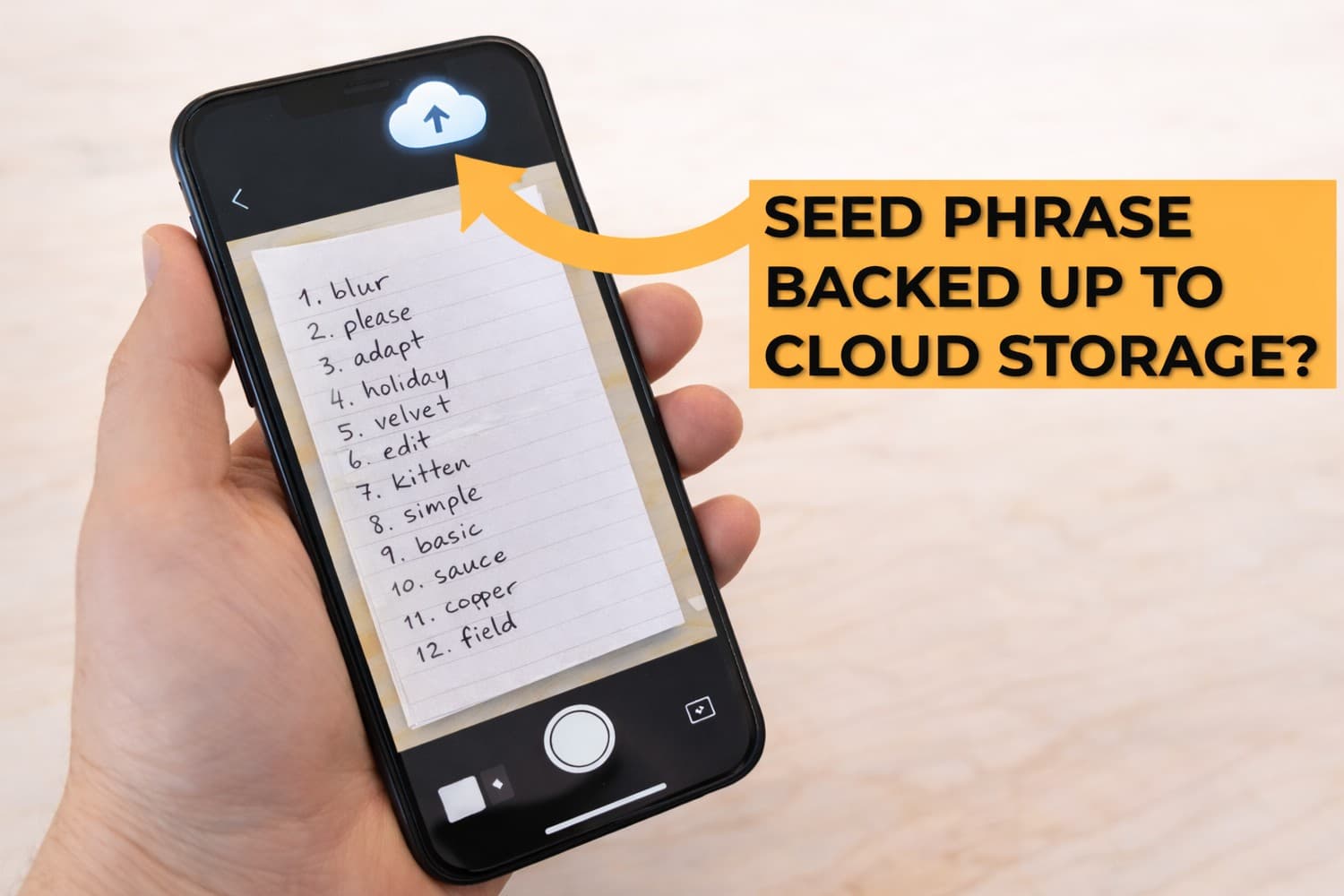
Saving your seed phrase in Google Drive, iCloud, Dropbox or similar services may feel convenient, but it exposes your seed phrase to anyone who gains access to your account. A single data breach, compromised password, or leaked session token can give an attacker everything they need.
Malicious Terminal Commands
Attackers trick users into running terminal commands that silently install malware or exfiltrate sensitive data from their device. These commands are often disguised as troubleshooting steps, dev tool setups, or airdrop claim instructions shared in Discord or Telegram.
AI Tools and Autonomous Agents
Compromised or malicious AI agents with system-level access can silently execute commands and exfiltrate wallet data without any visible prompt. As AI tools become more integrated into developer workflows, this attack vector is growing rapidly.
All of these paths lead to the same destination: Your wallet is compromised. Forever. Fake downloads and malicious terminal commands are increasingly common attack vectors. For a detailed breakdown of how malware works and how to protect your device, see our companion article: Common Scam: Malware & Fake Downloads
How to Prevent Seed Phrase Compromise
The best defense is prevention. These steps focus specifically on how you handle and store your seed phrase:
Never enter your seed phrase into a website, form or app - no legitimate service will ever ask for it
Never store your seed phrase in cloud storage, digital notes or photos/screenshots
Never save your seed phrase on any internet-connected device
Always write your seed phrase down on paper (or even better, more durable solutions like metal plates) and store it somewhere physically secure
Always use a hardware wallet - it keeps your private keys offline and away from your device entirely
What to Do If You've Been Compromised
If you caught the attack early, before your wallet was drained, see Common Scam: Malware & Fake Downloads for immediate device response steps. Act fast because every second counts here. If your wallet is already acting being drained or you suspect your seed phrase has been exposed:
Assume your device has been compromised - don't second guess it
Back up your important files and wipe your device completely
Create a new wallet on a clean device - preferably a hardware wallet
Move your funds as fast as possible - but be aware of sweeper bots that monitor compromised wallets and front-run your transactions
Your seed phrase is your master key - whoever has it, owns your wallet
Common causes: fake downloads, phishing websites, cloud backups, malicious commands and compromised AI tools
Store your seed phrase offline in a durable format and never enter it anywhere
If compromised: wipe your device, create a new wallet, move funds immediately
FAQ
In most cases, no. Blockchain transactions are irreversible and attackers typically move funds within seconds of gaining access. If high-value assets are still at risk, contact the Flashbots Whitehat Hotline immediately.
No. Wiping your device removes the malware, but the attacker already has your seed phrase. The seed phrase itself is permanently compromised. You must generate a completely new one on a verified clean device and move all remaining assets away from the old wallet.
A sweeper bot is an automated script an attacker runs on a compromised wallet. It monitors the address in real-time and drains any incoming funds instantly, often within the same block. This is why sending ETH to cover gas fees rarely works - the bot sweeps it before you can use it.
Yes, most likely. A seed phrase controls every address derived from it, across all chains. If an attacker has your seed phrase, they have access to your entire wallet, not just the address that was targeted first. One exception here is a leaked private key, which only resolves to one wallet address. This is a rare case and usually happens when a user pastes their private key into a bot or AI tool.
A token approval only gives a specific contract on a specific network permission to move a specific token. An approval can be revoked. A compromised seed phrase gives an attacker full, permanent access to everything in your wallet with no way to revoke it. They are not the same threat level.
No. Passwords and 2FA protect account logins - they have no effect on a wallet controlled by a seed phrase. Once an attacker has your seed phrase, they have direct access to your funds and don't need any credentials at all.